Energy-from-Waste · Vuda Point, Fiji
A Pacific solution to a Pacific problem.
Fiji is running out of places to put its rubbish. TNG Fiji proposes a fully enclosed Energy-from-Waste facility at Vuda Point that would turn non-recyclable waste into clean, reliable electricity for the national grid, built to European Union emission standards.
0 MW
of firm baseload electricity, 24 hours a day
Up to 0%
of Fiji's grid supplied
0 t
of waste a year kept out of landfill
0%
lower emissions than diesel generation
The problem
Fiji's waste has nowhere left to go.
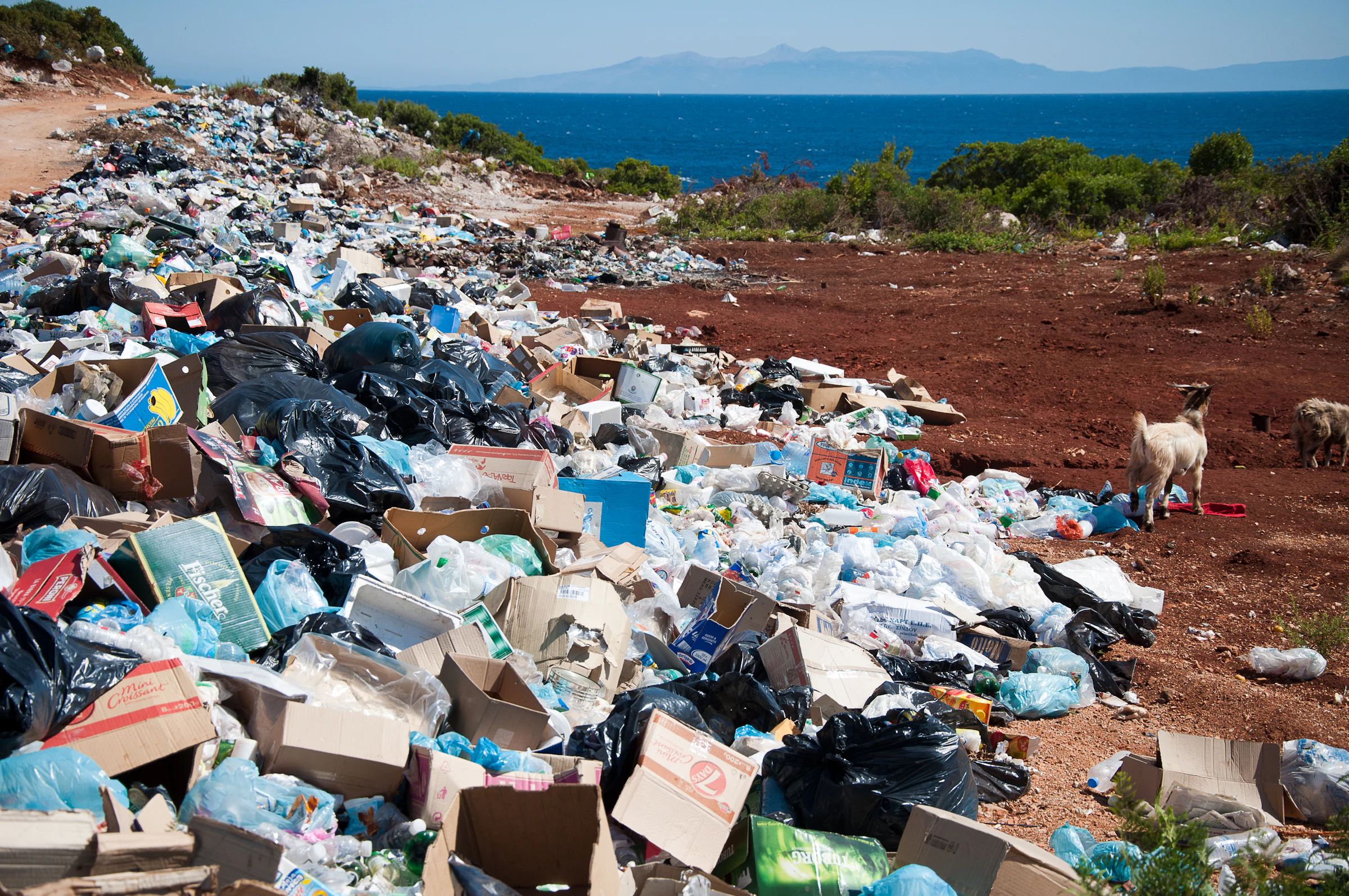
Fiji has one engineered sanitary landfill, Naboro, serving the central and eastern divisions. The nearest disposal site to Nadi and Vuda Point, Vunato, is a 50-acre open dumpsite in coastal mangroves. At least eight more disposal sites around the country are unregulated. Only 0.2 percent of Fiji's waste is recycled, and almost half of what goes into Pacific landfills is organic waste that rots into methane, a gas that traps far more heat than carbon dioxide.
0.0%
of Fiji's waste is recycled
0
engineered landfill for the whole country
0 acres
of open dumping in mangroves at Vunato
The proposal
Waste in. Clean power out. Nothing left to dump.
Energy-from-waste is not a new idea. More than 2,500 plants operate around the world, including in Singapore, Japan, Switzerland, Denmark and France. Here is what the Vuda Point facility would do.
Sealed waste in
Baled and wrapped, never open to the air
850°C furnace
Moving grate, 2,500+ plants worldwide
80 MW to the grid
Firm power, 24 hours a day
Clean air out
EU limits, monitored continuously
Waste in
Non-recyclable waste is baled, sealed and delivered to the plant in a biosecure system. Nothing is open to the air.
Energy out
Proven moving-grate technology from Kanadevia Inova burns the waste at over 850°C to make steam, driving turbines that supply 80 MW of firm power to Fiji's grid, around the clock.
What's left
Advanced filters keep air emissions within European Union limits. Metals are recovered for recycling and the remaining ash can be reused in building products and road base instead of going to landfill.
Proven worldwide
Trusted by the cleanest cities on earth.
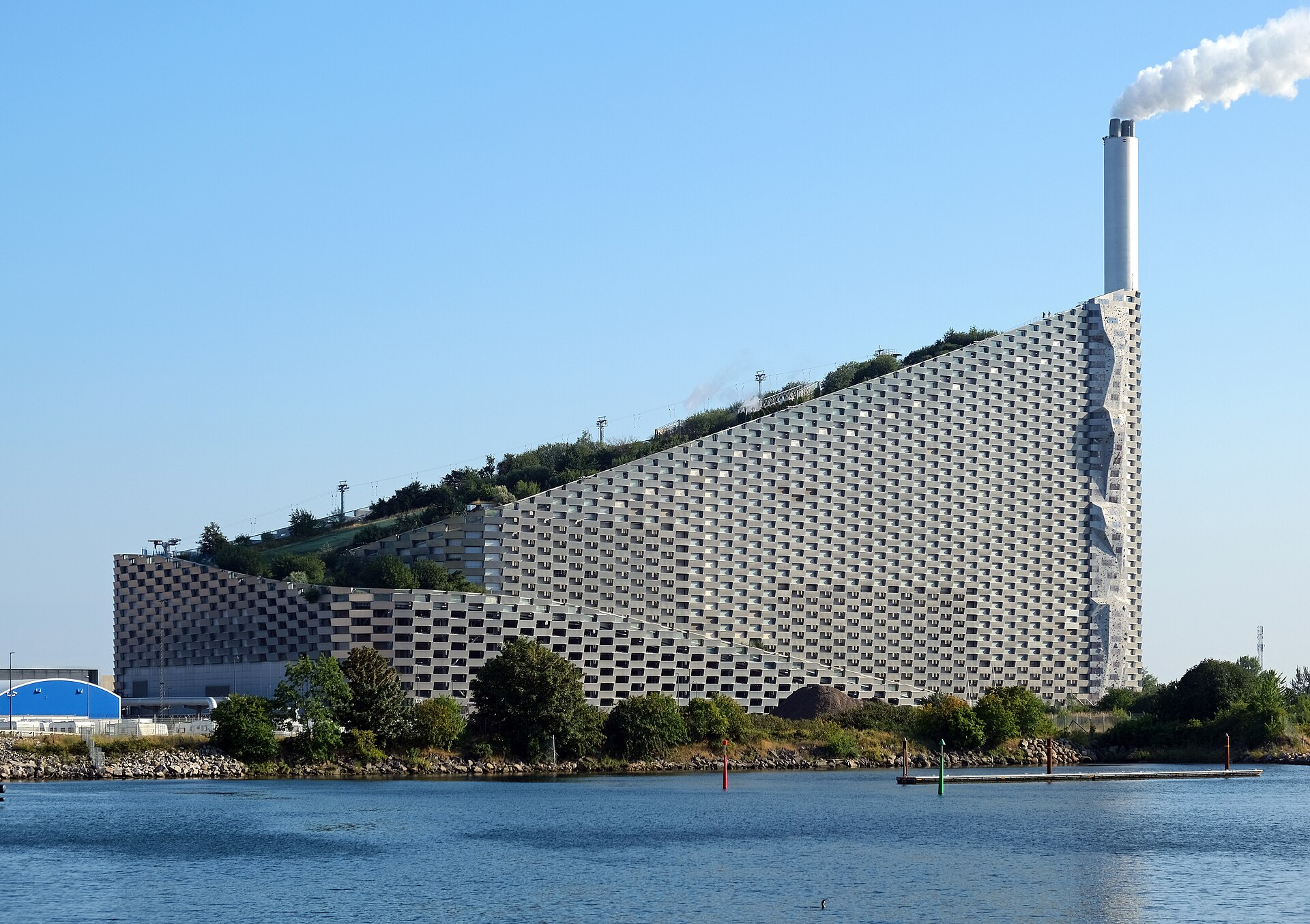
Copenhagen, Singapore, Tokyo, Zurich and Vienna all run energy-from-waste plants close to where people live. The IPCC lists energy recovery alongside recycling and waste reduction as a legitimate tool for cutting emissions from waste.
0+
plants operating worldwide
0+ years
of moving-grate operation
For Fiji
Built for Fiji, with Fiji.
The project is designed to leave Fiji better off: cleaner air and water, less landfill, firm electricity that does not depend on imported diesel, and skills and jobs that stay in the country.
- 1,000+ construction jobs and 100+ permanent technical roles
- Training partnerships with the University of the South Pacific, Fiji National University and TVET
- 5% of profits returned to community projects through the Katalyst Foundation
- Designed for Category 5 cyclones, with air-cooled condensers to protect local water

Watch
The project in three minutes.
Where things stand
The project is before Fiji's Environment Tribunal.
TNG Fiji lodged its Environmental Impact Assessment with the Department of Environment and took part in public consultation in early 2026. In June 2026 the Department declined to approve the EIA. On 26 June 2026 TNG Holdings (Fiji) lodged an appeal with the Environment Tribunal, an independent statutory body that hears appeals against Department decisions. TNG will make no further public comment on the specifics of the appeal while the Tribunal process is underway.
Aug 2025
Community letter, flyer and benefits fact sheet published; environmental screening report completed.
Nov 2025
Terms of Reference issued for the Environmental Impact Assessment of the plant and private port.
Jan 2026
Stakeholder consultation sessions held, 15 to 17 January.
Mar 2026
EIA lodged with the Department of Environment and placed on public exhibition from 23 March.
Apr 2026
Public review consultations; public comments to the Department closed 22 April.
Jun 2026
Department declines to approve the EIA. On 26 June TNG lodges an appeal with the Environment Tribunal.
Now
Appeal before the Environment Tribunal. No construction or operating dates are set.