Why Fiji needs it
Fiji's rubbish is piling up faster than the country can deal with it.
Here is the problem in plain English, with the sources.
Nowhere left to put it.
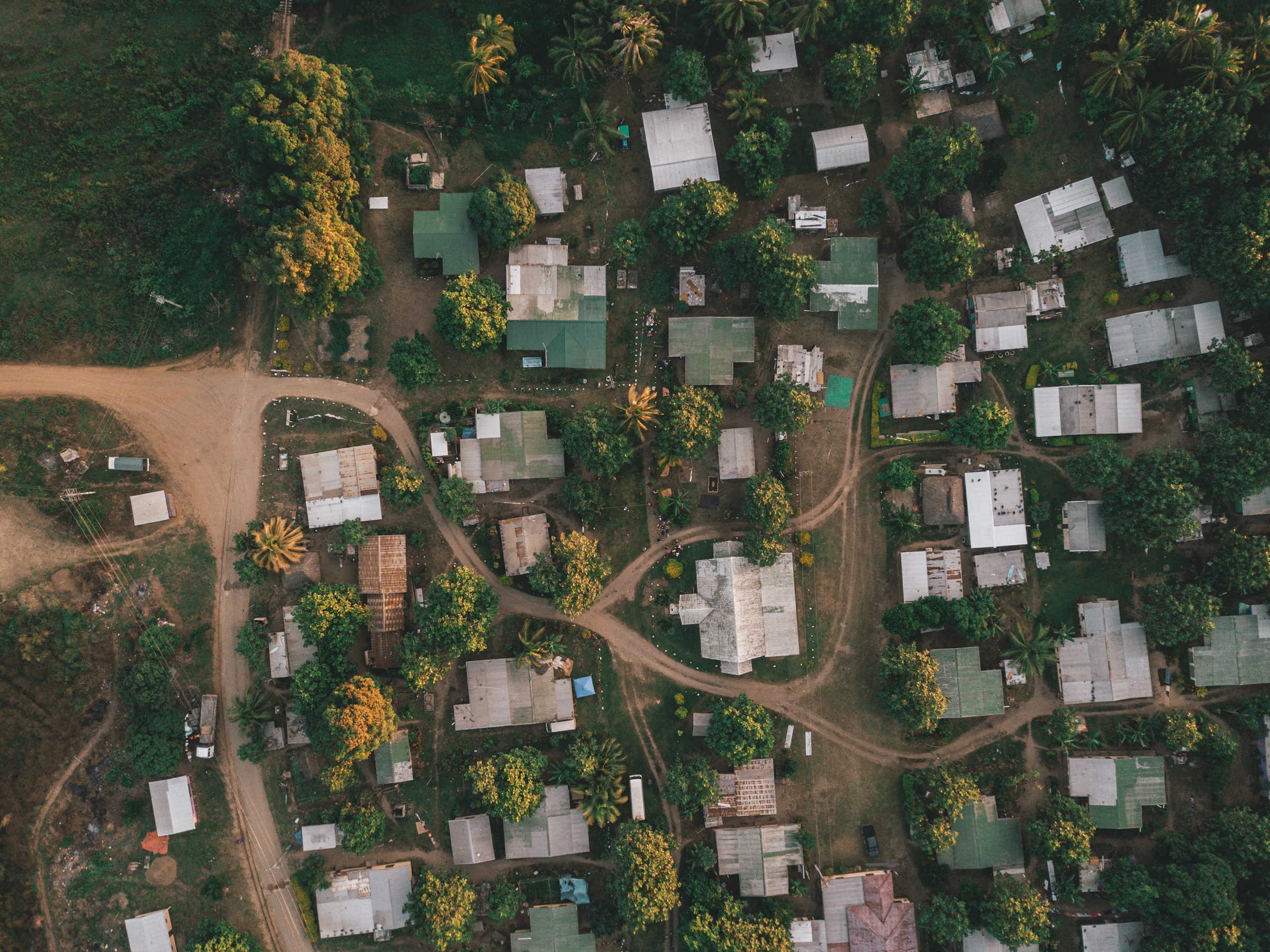
Fiji has only one properly engineered sanitary landfill, Naboro, which serves the central and eastern divisions. The nearest disposal site to Nadi and Vuda Point, Vunato, is not a landfill at all: according to the Lautoka City Council that runs it, it is a 50-acre open dumpsite sitting in mangroves on the coast. At least eight more disposal sites around Fiji are unregulated, with nobody quite sure how much they can still hold. As the population and tourism grow, so does the waste.
0
engineered landfill
0 acres
of open dumping at Vunato
0+
unregulated dump sites
Sources: SPREP, Fiji Waste Data Profile 2025; Lautoka City Council.
Recycling alone cannot fix it.
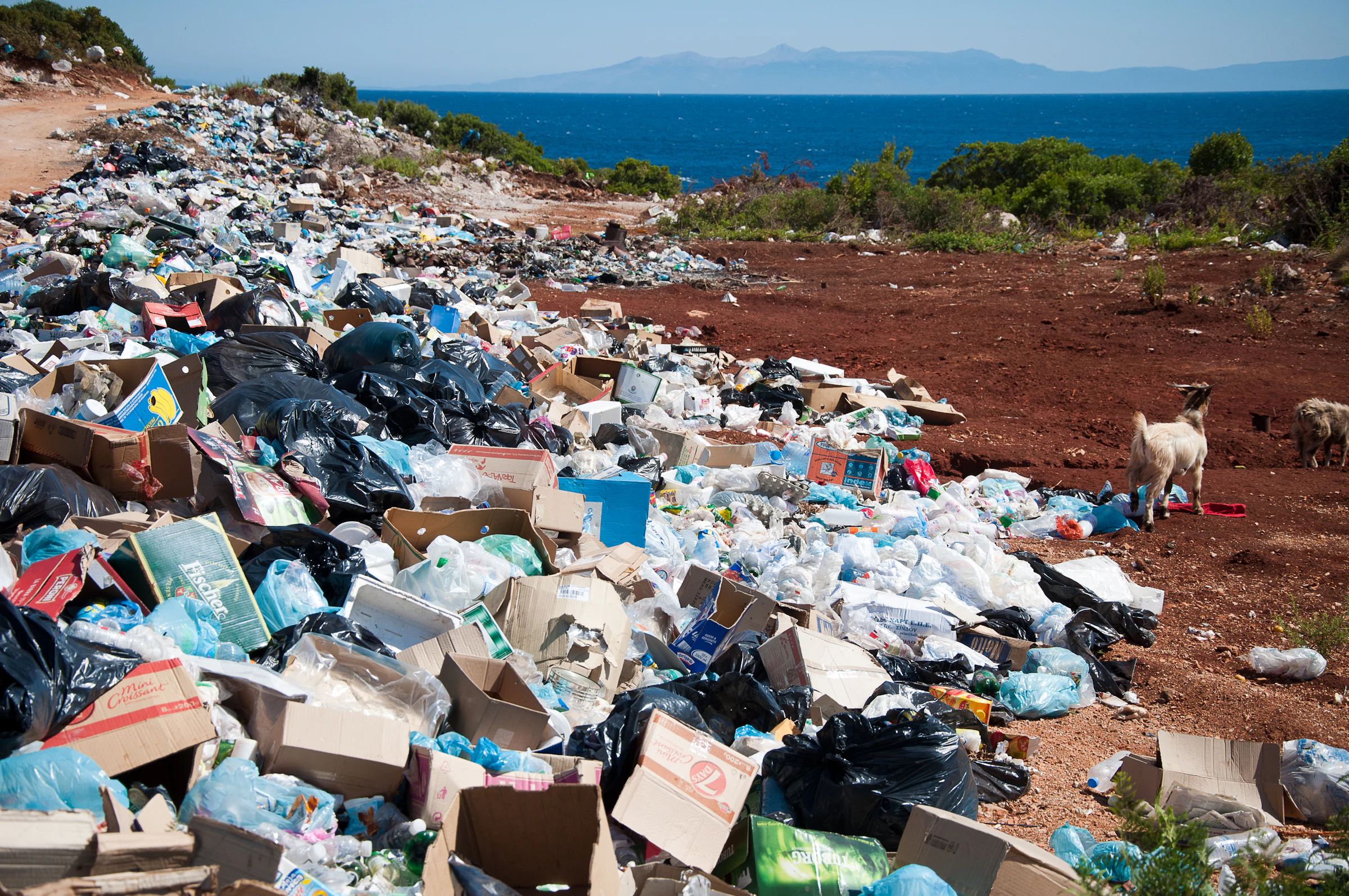
Fiji's recycling rate has been stuck at 0.2 percent for five years. Fiji does not have the domestic facilities to process many recyclable materials, including plastics, glass and paper, so most of what could be recycled has to be shipped overseas, which is slow, costly and only pays at a scale the country has not reached. Building that capacity will take years. Energy-from-waste does not replace recycling. It gives the waste that currently has nowhere else to go a useful destination while the harder work of building recycling continues.
0.0%
of waste recycled
0 years
with no improvement
0
domestic plastics, glass or paper recycling plants
Source: Fiji Bureau of Statistics.
Rotting waste is a climate problem.
Almost half of what ends up in Pacific landfills is organic waste: food scraps and garden clippings. Buried under everything else, it breaks down into methane, a gas that traps far more heat than carbon dioxide. The IPCC ranks rotting waste in landfills and dumps as the third-biggest source of human-caused methane on the planet, behind only fossil fuels and farming. Energy-from-waste stops the methane before it forms, and the IPCC lists it alongside recycling and waste reduction as a legitimate tool for cutting emissions.
Source: IPCC.
Diesel keeps the lights on today.
Fiji imports diesel to generate a large share of its electricity, which leaves power prices exposed to world oil markets. The Vuda Point facility would supply 80 MW of firm power to the grid around the clock, up to 45 percent of national demand, with around 84 percent lower greenhouse emissions than diesel generation. Fiji has committed to 100 percent renewable electricity by 2035 and net zero emissions by 2050.
Source: TNG Fiji Environmental Impact Assessment, Greenhouse Gas Assessment (Appendix I).
The Pacific is already moving.
Papua New Guinea
Building a national energy-from-waste policy and roadmap, funded by New Zealand's Ministry of Foreign Affairs and Trade, with a draft due in 2026.
SPC and SPREP
The region's two lead environmental bodies run the EU-funded Pacific Adoption of Waste-to-Energy Solutions programme, with pilot projects in Samoa, Papua New Guinea, Solomon Islands, Tuvalu, Vanuatu and Fiji.
Tuvalu
Prime Minister Feleti Teo told the Fourth Clean Pacific Roundtable in August 2024 that a shared regional facility would help countries running out of space, and urged the region to find solutions together.
The World Bank, the biggest single funder of solid waste management in developing countries, has backed energy-from-waste in similarly small economies, including a recent municipal plant in Sri Lanka. The International Solid Waste Association includes it among the standard tools of modern waste management.